
If you received a text message from a friend or family member inviting you to join Chime Unsolicited Text Messages Class Action, you might be entitled to compensation.
A Chime class action lawsuit is currently under investigation for allegedly sending unsolicited text messages to Washington State residents without proper consent. This comprehensive guide explains the Chime text message class action 2025, eligibility requirements, potential payouts, and how to join the case.
Table of Contents
Quick Overview: Chime Class Action at a Glance
| Detail | Information |
| Lawsuit Name | Chime Financial Text Message Class Action |
| Primary Plaintiff | Taft Charles |
| Filing Location | King County, Superior Court for the State of Washington State |
| Case Number | 2:25-cv-01361 |
| Law Violated | Washington Commercial Electronic Mail Act (CEMA) |
| Allegations | Sending unsolicited referral messages without prior affirmative consent |
| Potential Damages | $500 per violation (up to $1,500 maximum per violation) |
| Eligibility | Washington residents who received Chime spam text messages |
| Similar Settlements | Robinhood Financial ($9 million), Block Inc./Cash App ($12.5 million) |
| Legal Representation | Jason T. Dennett, Edwin J. Kilpela Jr., Evan E. North |
| Status | Active investigation (November 2025) |
What Is the Chime Unsolicited Text Messages Class Action?
The Chime Unsolicited Text Messages Class Action centers on allegations that Chime Financial Inc., a popular neobank and digital banking platform, violated consumer protection violations laws by sending promotional SMS campaigns without obtaining opt-in consent requirements. These messages were part of Chime’s refer-a-friend spam texts program, which offers financial incentives to both the sender and recipient.
Background on the Allegations
Chime Financial class action attorneys claim that the company’s referral program violates the Commercial Electronic Mail Act (CEMA), a strict Washington State law that protects residents from automated text marketing and other commercial electronic messages. The lawsuit alleges that Chime initiated or assisted in transmitting these messages without recipients’ clear and affirmative advance consent.
The Chime unsolicited text messages typically contain language like: “We’ll both earn $100 when you join Chime and receive a qualifying direct deposit!” These messages appear to come from friends or family members, but the Chime CEMA violation claim argues that Chime actively facilitated and financially incentivized the transmission of these unsolicited referral messages.
What makes this case significant is that recipients never directly contacted Chime Financial Inc. or expressed interest in their services. The messages arrived unexpectedly, often interrupting personal conversations between friends and family. Legal experts argue this represents a per se violation of CEMA since the recipients didn’t provide prior affirmative consent to receive fintech marketing compliance communications.
Who Filed the Lawsuit?
Taft Charles, a Washington State resident, filed the Chime class action lawsuit in the Superior Court of King County. The case seeks to represent all Washington residents who received these promotional text messages through Chime’s referral program without their consent.
The legal team includes prominent attorneys specializing in consumer protection violations: Jason T. Dennett and Kaleigh N. Boyd of Tousley Brain Stephens PLLC, Edwin J. Kilpela Jr. of Wade Kilpela Slade LLP, and Evan E. North of North Law PLLC. This experienced team has successfully handled similar CEMA class action cases involving digital banking referrals and neobank advertising practices.
The lawsuit specifically targets Chime’s business model of using existing customers as unpaid marketers, essentially outsourcing their promotional efforts while maintaining plausible deniability about opt-in consent requirements.
Understanding Washington’s Commercial Electronic Mail Act (CEMA)
What Is CEMA?
The Washington Commercial Electronic Mail Act (CEMA) is one of the strictest anti-spam laws in the United States. First enacted in 1998 and amended in 2003, CEMA protects consumers from unwanted commercial electronic messages, including emails and text messages.
CEMA explicitly prohibits businesses from initiating or assisting with the transmission of promotional SMS campaigns unless recipients have given clear and affirmative consent in advance. This law applies to all Washington residents and any business operating in or targeting consumers in Washington State.
The law’s primary purpose is to give consumers control over who can contact them and how their personal information is used in marketing campaigns. Unlike federal laws that have various exemptions, CEMA takes a strict approach with minimal exceptions.
How CEMA Differs from Federal TCPA
While both CEMA and the Telephone Consumer Protection Act (TCPA) protect consumers from unwanted messages, there are critical differences:
| Aspect | CEMA | TCPA |
| Scope | Washington State residents | Nationwide |
| Focus | All commercial electronic messages | Automated text marketing and robocalls |
| Consent Standard | Prior affirmative consent required | Prior express written consent for marketing |
| Damages | $500 per violation (up to $1,500 maximum per violation) | $500 per violation (up to $1,500 for willful violations) |
| Enforcement | State law, private right of action | Federal law, private right of action |
| Exemptions | Very few | Various business relationship exemptions |
The Chime spam text lawsuit primarily focuses on CEMA because Washington State law is more consumer-friendly and easier to prove in court. However, attorneys may also include TCPA claims if evidence shows Chime Financial Inc. used automated systems to send these messages.
CEMA Penalties and Damages
CEMA provides powerful remedies for victims of unsolicited text messages:
- Base Damages: $500 per violation for each illegal text message
- Enhanced Damages: Up to $1,500 maximum per violation for intentional or repeated violations
- Treble Damages: Courts can triple damages in cases of willful misconduct
- Attorney Fees: Prevailing plaintiffs can recover legal costs
- Injunctive Relief: Courts can order companies to stop the illegal practices
For someone who received three Chime unsolicited text messages, the potential recovery could be $1,500 to $4,500 before any enhancements. This is why statutory damages per message can quickly add up to millions of dollars in class action lawsuit cases involving thousands of recipients.
The $500 per text violation doesn’t require proof of actual financial harm. Simply receiving the message without consent is enough to establish liability under CEMA.
How Chime’s Referral Program Works
The $100 Bonus Structure
Chime’s refer-a-friend spam texts program is designed to acquire new customers through existing users. The structure is simple but legally problematic:
- Existing Chime users receive a unique referral link or code
- When a friend signs up using that link and meets qualifying requirements (typically a direct deposit of $200+), both parties receive a $100 referral bonus
- Users can refer multiple people, earning $100 for each successful referral
This creates a strong financial incentive for users to send promotional SMS campaigns to everyone in their contact list. Chime Financial Inc. essentially gamifies the referral process, encouraging users to spam their friends and family with commercial electronic messages.
How Messages Are Sent
The Chime CEMA violation stems from how easily the app facilitates sending these messages. Here’s the process:
- Users open the Chime mobile app and navigate to the referral section
- The app requests access to the user’s phone contacts
- Users can select multiple contacts and send a prepopulated message with a single tap
- The message is sent as an SMS text, appearing to come from the user’s personal number
- The message includes Chime Financial Inc. promotional content and a referral link
The prepopulated message typically reads something like: “Hey! I use Chime for banking and love it. Join using my link and we’ll both get $100! [link]”
While the message appears personal, it’s actually automated text marketing content created by Chime Financial Inc. The company provides the exact wording, the incentive structure, and the technical infrastructure to send these messages at scale.
Why This May Violate CEMA
Legal experts identify several consumer protection violations in Chime’s approach:
- Lack of Recipient Consent: Recipients never agreed to receive commercial electronic messages from Chime Financial Inc. They may trust their friend’s personal messages, but they didn’t consent to marketing communications.
- Company Initiation: Although the messages come from users’ phones, Chime Financial Inc. initiates and assists with the transmission by providing the message content, the referral system, and financial incentives.
- Commercial Nature: These aren’t personal recommendations—they’re promotional SMS campaigns designed to sell Chime’s banking services. The $100 referral bonus makes the commercial intent explicit.
- No Opt-In Mechanism: Chime Financial Inc. never obtained prior affirmative consent from recipients before helping to send these messages. There’s no checkbox, no consent form, no opt-in consent requirements satisfied.
- Pattern and Practice: The lawsuit alleges this isn’t isolated incidents but a systematic business practice affecting thousands of Washington residents.
The Chime referral text lawsuit argues that by financially incentivizing users and providing the technical means to send these messages, Chime Financial Inc. violates CEMA‘s prohibition on initiating or assisting with unsolicited referral messages.
Who Is Eligible for the Chime Settlement?
Washington Resident Requirements
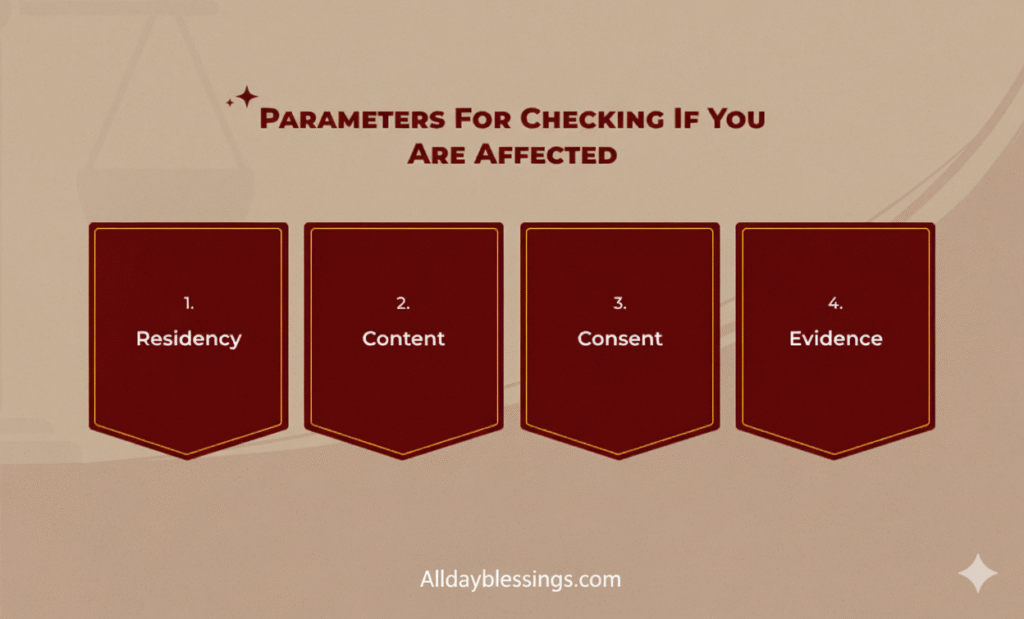
To qualify for the Chime text message class action 2025, you must meet these criteria:
- Location: You must be a Washington State resident at the time you received the text message
- Message Type: You received a referral text message about joining Chime Financial Inc.
- Source: The message came from a friend, family member, or acquaintance (not directly from Chime)
- Content: The message promoted Chime’s services and likely mentioned the $100 referral bonus
- Consent: You did not provide prior affirmative consent to receive marketing messages from Chime Financial Inc.
The Washington residents Chime spam texts case focuses specifically on Washington State because of CEMA‘s strong consumer protections. Even if you live in other states now but were a Washington State resident when you received the messages, you may still qualify.
Documentation Needed
To strengthen your Chime class action lawsuit claim, gather the following evidence:
Essential Documentation:
- Screenshots or photos of the text message showing the date, time, and content
- The phone number that sent the message
- Your phone bill from that period showing the message was received
- Proof of Washington State residency (driver’s license, utility bill, lease agreement)
Helpful Additional Documentation:
- Multiple messages if you received more than one
- Any responses you sent asking to stop receiving messages
- Evidence you never signed up for Chime or expressed interest in their services
- Records showing you never provided opt-in consent requirements
The more unsolicited text messages you received, the higher your potential Chime settlement 2025 payout since damages are calculated per violation.
How to Preserve Evidence
Don’t wait to document your claim. Follow these steps to preserve evidence:
- Screenshot Immediately: Take clear screenshots showing the entire message, including sender information and timestamp. If you received multiple Chime unsolicited text messages, screenshot each one.
- Don’t Delete Messages: Keep the original text messages in your phone. Screenshots are good, but original messages provide stronger evidence for the class certification process.
- Download Phone Records: Request copies of your phone bill from your carrier showing these messages were received. This provides independent verification.
- Document Your Response: If you replied “STOP” or asked not to be contacted again, keep those messages. Continued promotional SMS campaigns after an opt-out request strengthens CEMA violation claims.
- Note the Details: Write down what you remember about receiving the messages—where you were, whether you knew the sender, whether you had any prior relationship with Chime Financial Inc..
- Act Quickly: Evidence can be lost if phones are replaced, services are canceled, or memories fade. Preserve everything now while the Chime Financial class action investigation is active.
Potential Settlement Amount and Payout Timeline
Statutory Damages Explained
CEMA provides clear guidelines for statutory damages per message:
- Minimum: $500 per violation for each illegal text message
- Enhanced: Up to $1,500 maximum per violation if the violation was intentional or the company ignored complaints
- Multiplier: Courts can award treble damages (triple the base amount) for willful violations
For the Chime class action payout timeline, damages are calculated per message, not per recipient. If you received three separate Chime referral text messages, you could recover:
- Conservative Estimate: 3 messages × $500 = $1,500
- Mid-Range Estimate: 3 messages × $1,000 = $3,000
- Maximum Possible: 3 messages × $1,500 = $4,500
The actual Chime payout per person will depend on settlement negotiations between attorneys and Chime Financial Inc., the number of class members, and whether the case goes to trial or settles.
Comparison to Similar Settlements
Several recent fintech marketing compliance cases provide benchmarks for the Chime unsolicited text settlement amount:
| Company | Settlement Amount | Law Violated | Year | Per-Person Payout |
| Robinhood Financial | $9 million | CEMA | 2024 | $500-$1,500 per claimant |
| Block Inc./Cash App | $12.5 million | CEMA | 2025 | $750-$2,000 per claimant |
| QuoteWizard | $19 million | TCPA | 2023 | $400-$1,200 per claimant |
| Tech Company (2019) | $8.5 million | CEMA | 2019 | $600-$1,800 per claimant |
The $9 million Robinhood settlement is particularly relevant because it involved nearly identical allegations: a refer-a-friend program that sent unsolicited referral messages to Washington residents without prior affirmative consent.
The $12.5 million Cash App settlement resolved claims that Block Inc./Cash App violated CEMA through its “Invite Friends” program, which incentivized users to send promotional SMS campaigns to their contacts.
Based on these precedents, the Chime settlement 2025 could reasonably fall in the $10-15 million range if it follows similar settlement patterns. However, the actual amount depends on:
- Total number of Washington residents affected
- Number of messages each person received
- Chime Financial Inc.‘s willingness to settle versus go to trial
- Strength of evidence showing CEMA violation
- Whether enhanced or treble damages are awarded
When to Expect Payment
The Chime class action payout timeline typically follows this schedule:
Phase 1: Investigation and Filing (Current – 6 months)
- Attorneys gather evidence and testimony
- Class certification process begins
- Initial complaint filed in King County court
Phase 2: Discovery (6-12 months)
- Both sides exchange documents and evidence
- Depositions of Chime Financial Inc. executives
- Expert testimony on automated text marketing systems
Phase 3: Settlement Negotiations (12-18 months)
- Mediation between parties
- Settlement negotiations to reach agreement
- Court review of proposed settlement
Phase 4: Approval and Distribution (18-24 months)
- Court holds fairness hearing
- Final approval of Chime settlement 2025
- Claims process opens for class members
- Payments distributed
Realistic Timeline: Most class action lawsuit cases settle within 18-36 months of filing. Based on the $9 million Robinhood settlement timeline (filed 2023, approved 2024) and $12.5 million Cash App settlement (similar timeframe), affected Washington residents could see payments by late 2026 or early 2027.
However, if Chime Financial Inc. contests the case aggressively or appeals any ruling, the Chime class action payout timeline could extend to 3-5 years.
How to Join the Chime Class Action Lawsuit
Step-by-Step Filing Process
Step 1: Determine Your Eligibility
Review the eligibility requirements above. You must be a Washington State resident who received Chime unsolicited text messages through the referral program without providing opt-in consent requirements.
Step 2: Gather Your Documentation
Collect all evidence of the unsolicited referral messages: screenshots, phone bills, proof of residency, and any correspondence with Chime Financial Inc..
Step 3: Contact Class Action Attorneys
Reach out to law firms investigating the Chime spam text lawsuit. The legal team handling this case includes:
- Jason T. Dennett and Kaleigh N. Boyd (Tousley Brain Stephens PLLC)
- Edwin J. Kilpela Jr. (Wade Kilpela Slade LLP)
- Evan E. North (North Law PLLC)
Most consumer protection violations attorneys work on contingency, meaning you pay nothing unless they recover compensation for you.
Step 4: Complete Intake Forms
Attorneys will ask you to complete forms detailing:
- When and how many messages you received
- Your Washington State residency status
- Whether you ever had any relationship with Chime Financial Inc.
- Any attempts to stop the messages
Step 5: Join the Class
Once the court grants class certification, you may be automatically included if you meet the criteria. In some cases, you’ll receive a notice asking you to opt in or opt out of the class action lawsuit.
Step 6: Wait for Settlement or Verdict
After joining, there’s typically little action required. Your attorneys will handle settlement negotiations and court proceedings. You’ll receive updates on case progress.
Step 7: File Your Claim
When a Chime settlement 2025 is reached and approved, you’ll receive notification with instructions to file a claim form. This usually requires submitting your documentation and verifying your identity.
Finding Legal Representation
Choosing the right attorney is crucial for maximizing your Chime payout per person. Look for lawyers with:
Key Qualifications:
- Experience with CEMA cases: Track record handling Washington Commercial Electronic Mail Act lawsuits
- Success with fintech cases: Previous settlements against digital banking companies or neobank advertising practices
- Contingency fee structure: No upfront costs to join the Chime class action lawsuit
- Strong negotiation skills: Proven ability to secure favorable settlement negotiations
Red Flags to Avoid:
- Attorneys asking for upfront fees for consumer protection violations cases
- Promises of specific Chime unsolicited text settlement amount figures
- Lack of experience with CEMA or TCPA litigation
- Pressure to settle quickly without proper evaluation
Resources for Finding Attorneys:
- ClassAction.org investigation forms
- State bar association referral services
- Consumer protection legal directories
- TopClassActions.com attorney listings
What Happens Next
After you join the Chime Financial class action, here’s what to expect:
Short Term (0-6 months):
- Your attorney reviews your case and documentation
- You may be asked to provide additional evidence
- You’ll receive updates on class certification process milestones
- Your information is protected under attorney-client privilege
Medium Term (6-18 months):
- Discovery phase proceeds with document exchanges
- You may be asked to participate in depositions if you’re a named plaintiff
- Settlement negotiations begin or the case proceeds toward trial
- Regular updates on case progress
Long Term (18-36 months):
- Settlement is reached or trial verdict is delivered
- Court approves final Chime settlement 2025 terms
- Claims process opens for all class members
- You receive your statutory damages per message payment
Throughout this process, your attorneys handle all legal work. Your primary responsibilities are preserving evidence and responding promptly to any requests for information.
Similar Cases: Robinhood, Cash App, and Others
$9M Robinhood Settlement
The $9 million Robinhood settlement established important precedent for the Chime text message class action 2025. In February 2024, a court approved this settlement resolving claims that Robinhood Financial violated CEMA with its refer-a-friend text program.
Case Details:
- Violation: Robinhood Financial incentivized users to send promotional SMS campaigns to Washington residents
- Mechanism: Similar to Chime, users received rewards for successful referrals
- Problem: Recipients never provided prior affirmative consent to receive commercial electronic messages
- Resolution: $9 million settlement distributed to affected Washington State residents
Key Similarities to Chime:
- Both involved digital banking referrals and fintech marketing compliance issues
- Both used existing customers to send unsolicited referral messages
- Both offered financial incentives ($100 referral bonus or similar)
- Both allegedly violated CEMA‘s opt-in consent requirements
The Robinhood Financial case demonstrates that courts take neobank advertising practices seriously and are willing to impose substantial penalties for CEMA violation claims.
$12.5M Cash App Settlement
The $12.5 million Cash App settlement is the most recent and largest CEMA class action involving a fintech company. In mid-2025, Block Inc./Cash App agreed to this settlement for its “Invite Friends” referral program.
Case Details:
- Defendant: Block Inc./Cash App, a peer-to-peer payment platform
- Allegation: Incentivizing users to send unsolicited referral messages through automated text marketing
- Affected Group: Washington residents who received Cash App referral texts
- Settlement: $12.5 million paid to class members
Lessons for Chime Case:
- Larger settlements are possible when more users are affected
- Fintech marketing compliance violations carry serious financial consequences
- Courts are increasingly skeptical of “friend referral” programs that lack proper consent mechanisms
- The $12.5 million Cash App settlement suggests the Chime settlement 2025 could reach similar amounts
This case is particularly relevant because Cash App’s business model closely resembles Chime Financial Inc.‘s approach: both are mobile-first financial platforms that rely heavily on digital banking referrals for customer acquisition.
Industry-Wide Implications
These settlements signal a broader shift in how courts and regulators view neobank advertising practices and promotional SMS campaigns:
Impact on Fintech Industry:
- Stricter Compliance: Financial technology companies are implementing more rigorous opt-in consent requirements before allowing referral messages
- Regulatory Scrutiny: The Consumer Financial Protection Bureau (CFPB) is paying closer attention to automated text marketing practices in the fintech sector
- Revised Referral Programs: Companies are redesigning referral systems to ensure prior affirmative consent from recipients
- Higher Compliance Costs: Implementing proper consent mechanisms increases operational costs but reduces litigation risk
Other Notable Cases:
- CVS Health Corp. faces a class action lawsuit for allegedly sending unwanted telemarketing texts
- QuoteWizard paid $19 million to settle TCPA claims over insurance marketing texts
- Multiple neobank and financial services companies have quietly reformed their marketing practices to avoid similar consumer protection violations
The pattern is clear: courts are holding companies accountable for commercial electronic messages sent without proper consent, regardless of whether the messages come directly from the company or through incentivized users. The Chime referral text lawsuit fits squarely within this trend of enforcing statutory damages per message against companies that violate consumer privacy laws.
These cases collectively represent hundreds of millions of dollars in settlements, demonstrating that CEMA and TCPA are powerful tools for protecting consumers from unsolicited text messages and unwanted promotional SMS campaigns.
Frequently Asked Questions
Q: Am I eligible for the Chime text lawsuit if I live outside Washington?
Only Washington State residents who received the messages while living in Washington can participate, as CEMA specifically protects Washington residents from commercial electronic messages.
Q: How much is the Chime class action payout per person?
Based on $500 per violation minimum under CEMA, payouts could range from $500 to several thousand dollars depending on how many Chime unsolicited text messages you received.
Q: When will the Chime settlement be paid out?
The Chime class action payout timeline typically takes 18-36 months from filing. Payments could arrive by late 2026 or early 2027 based on similar fintech marketing compliance cases.
Q: Do I need to pay attorney fees to join?
No. Most consumer protection violations attorneys work on contingency, meaning they only get paid if you receive a Chime settlement 2025 payout, typically taking 25-33% of the recovery.
Q: What if I deleted the text messages?
You may still qualify. Phone records from your carrier can verify you received the messages. However, having screenshots or the original unsolicited referral messages strengthens your claim significantly.
Q: Can I still use my Chime account if I join the lawsuit?
Yes. Joining the Chime class action lawsuit doesn’t affect your ability to use Chime Financial Inc. services or maintain your existing account with the neobank platform.
Q: How is this different from TCPA violations?
CEMA focuses on any commercial electronic messages sent without consent to Washington residents, while TCPA specifically targets automated text marketing and robocalls nationwide with similar $500 per text violation penalties.
Q: What evidence do I need to join the case?
Essential evidence includes screenshots of the Chime referral text messages, proof of Washington State residency, and phone bills showing when messages were received to establish CEMA violation claims.
Q: Is Chime still sending these referral texts?
While the lawsuit is pending, Chime Financial Inc. may have modified its referral program. However, past violations of opt-in consent requirements are still actionable under CEMA and eligible for statutory damages.
Q: How long do I have to file a claim?
CEMA has specific statute of limitations, typically 4-5 years from when you received the unsolicited text messages. However, joining early ensures you’re included in the class certification process.
Conclusion
The Chime class action lawsuit represents a significant challenge to how digital banking platforms conduct promotional SMS campaigns and neobank advertising practices. With precedents like the $9 million Robinhood settlement and $12.5 million Cash App settlement, Washington residents who received Chime unsolicited text messages may be entitled to substantial compensation under the Washington Commercial Electronic Mail Act (CEMA).
If you received Chime referral text messages promoting the $100 referral bonus without providing prior affirmative consent, gather your documentation and contact qualified attorneys specializing in consumer protection violations. The statutory damages per message of $500 per violation can add up quickly, especially if you received multiple unsolicited referral messages.
The Chime text message class action 2025 is still in early stages, with the class certification process and settlement negotiations ongoing. Based on similar fintech marketing compliance cases, affected individuals could see payments within 18-36 months. Don’t wait—preserve your evidence now and consult with experienced attorneys handling CEMA class action cases to protect your rights and secure your share of any Chime settlement 2025 recovery.
The outcome of this case will likely influence how Chime Financial Inc. and other neobank platforms approach digital banking referrals, potentially leading to stronger opt-in consent requirements industry-wide. Whether you join the lawsuit or simply want to stop receiving commercial electronic messages, understanding your rights under CEMA and TCPA empowers you to protect your privacy in an increasingly digital financial landscape.

I’m Watson, a faith-inspired writer passionate about sharing heartfelt blessings and uplifting words that bring peace, gratitude, and hope. Through my daily blessings, I aim to comfort the soul and inspire spiritual growth.