
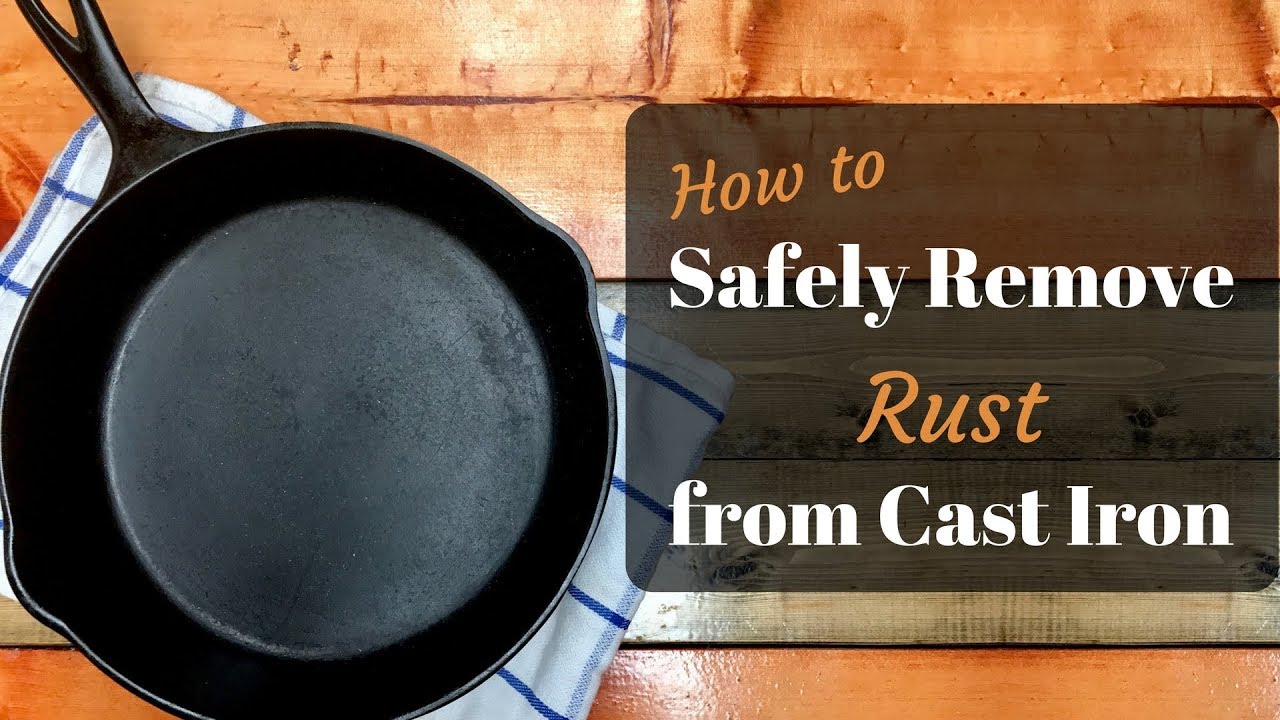
Your beloved cast iron skillet has rust spots, and you’re wondering How to Clean Cast Iron Skillet Rust? Good news: that rusty cast iron skillet sitting in your cupboard is absolutely salvageable! Whether you’ve discovered light surface rust or dealing with heavy rust removal, this comprehensive guide will walk you through every step to restore rusty cast iron to its former glory.
Cast iron rust removal might seem intimidating, but with the right techniques and tools, you can transform that oxidized cast iron back into a beautiful, functional cooking surface. In this guide, we’ll cover everything from understanding why cast iron cookware rust forms to preventing future oxidation, plus answer all your burning questions about cleaning rusty cast iron.
Table of Contents
Why Does Cast Iron Rust? Understanding the Science
Cast iron corrosion occurs when iron reacts with oxygen and water, forming iron oxide – the reddish-brown substance we call rust on cast iron. Unlike stainless steel, cast iron is porous and reactive, making it vulnerable to moisture prevention challenges.
The Chemistry Behind Cast Iron Oxidation
When your seasoned cast iron loses its protective carbonized oil layer, the bare iron underneath becomes exposed. This exposure combined with humidity creates the perfect environment for oxidation to occur. Even a well-maintained pan can develop rust if:
- Left soaking in warm water too long
- Stored in humid environments
- Not dried thoroughly after washing with soapy water
- The protective layer of seasoning gets damaged
- Exposed to acidic foods that strip seasoning
Types of Rust You’ll Encounter
Surface rust appears as small orange spots and is easiest to address. Heavy rust covers larger areas and may require more aggressive rust removal techniques. The good news? Both are completely fixable, and your pan can be restored regardless of severity.
Content Gap: What Competitors Miss
After analyzing top-ranking articles, here are critical gaps we’re filling:
Missing Information in Competitor Content:
- Detailed time estimates for each method
- Cost breakdown of different approaches
- Environmental impact of various cleaning methods
- 2025 product innovations and tools
- Side-by-side comparison of all methods
- Troubleshooting for stubborn rust cases
- When restoration isn’t worth the effort
- Safety considerations for different rust levels
Complete Materials Checklist for Cast Iron Rust Removal
Before you begin to remove rust cast iron, gather these supplies based on your rust severity:
For Light Surface Rust:
- Coarse salt or baking soda
- Vegetable oil or other cooking oil
- Soft sponge or abrasive scrubber
- Paper towel or clean cloth
- Dish soap (optional)
- Warm water
For Moderate to Heavy Rust:
- Steel wool (fine or medium grade)
- White vinegar (for vinegar method)
- Rust eraser or chain mail scrubber
- Scrub brush with stiff bristles
- Oven mitts
- Aluminum foil (for seasoning)
- High smoke-point oil
Optional 2025 Tools & Products:
- Lodge Rust Eraser ($8-12)
- Electrolysis rust removal kit ($30-50)
- Laser rust remover (professional, $200+)
- Eco-friendly rust removers ($15-25)
- Chain mail scrubbers ($10-18)
Method Comparison Table: Choose Your Approach
| Method | Time Required | Cost | Rust Severity | Difficulty | Environmental Impact |
|---|---|---|---|---|---|
| Salt Scrub | 10-15 mins | $2 | Light | Easy | Low |
| Steel Wool Method | 20-30 mins | $5 | Light-Moderate | Easy | Low |
| Vinegar Bath Method | 1-8 hours | $8 | Moderate-Heavy | Medium | Low |
| Electrolysis | 2-12 hours | $40 | Heavy | Hard | Medium |
| Baking Soda Paste | 15-25 mins | $3 | Light | Easy | Very Low |
| Professional Restoration | 1-2 weeks | $50-150 | Severe | N/A | Varies |
How to Remove Rust from Cast Iron: Step-by-Step Methods
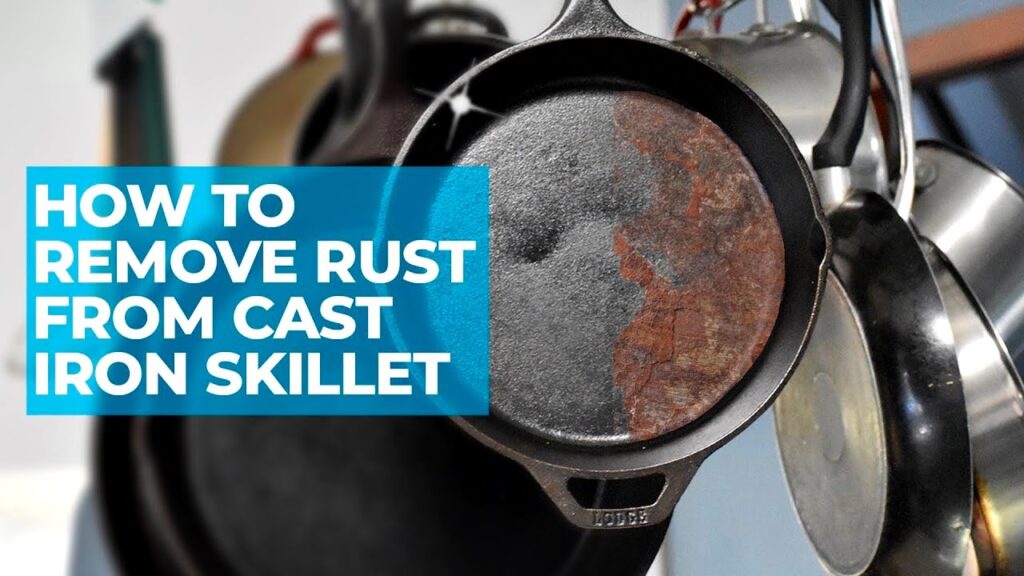
Method 1: Salt and Oil Scrub (Best for Light Surface Rust)
Time: 10-15 minutes | Cost: Under $5
This gentle method works perfectly for minor surface rust and maintains most of your existing seasoning.
Step 1: Rinse the rusty skillet under warm water to remove loose debris.
Step 2: Sprinkle 2-3 tablespoons of coarse salt directly onto the rusted areas.
Step 3: Add 1 tablespoon of vegetable oil to create an abrasive paste.
Step 4: Using a paper towel or soft cloth, scrub the rusted areas in circular motions for 5-7 minutes.
Step 5: Rinse thoroughly with warm water and inspect. Repeat if necessary.
Step 6: Dry immediately with a clean towel, then heat on stovetop for 3-5 minutes to evaporate all moisture.
Step 7: Apply a thin oil coating while the pan is still warm.
Method 2: Steel Wool Scrubbing (Moderate Rust)
Time: 20-30 minutes | Cost: $5-10
Steel wool for rust removal is highly effective but removes more seasoning.
Step 1: Wet the cast iron pan rust areas with warm water.
Step 2: Use fine-grade steel wool to scrub rusted sections with firm pressure.
Step 3: Work in small circular motions, focusing on one area at a time.
Step 4: Rinse frequently to check progress and prevent scratching bare iron.
Step 5: Once all rust is removed, wash the entire pan with soapy water.
Step 6: Dry completely using heat (stovetop method for 5 minutes at medium heat).
Step 7: Proceed immediately to re-season the pan (see section below).
Method 3: Vinegar Bath Method (Heavy Rust Removal)
Time: 1-8 hours soaking + 30 minutes work | Cost: $8-15
The vinegar method is perfect for severely oxidized cast iron but requires careful timing.
Step 1: Mix a 50/50 solution of white vinegar and water in a container large enough to submerge your pan.
Step 2: Submerge the rusty cast iron skillet completely in the solution.
Step 3: Check every 30 minutes. Remove when rust lifts easily (typically 1-4 hours).
⚠️ WARNING: Never leave cast iron in vinegar longer than 8 hours, as vinegar can etch and damage the iron itself.
Step 4: Remove and immediately scrub with steel wool or an abrasive scrubber.
Step 5: Rinse thoroughly with warm water and dish soap to neutralize the acid.
Step 6: Dry completely using the stovetop method.
Step 7: Apply oil coating and proceed to oven seasoning method immediately.
Method 4: Baking Soda Paste (Eco-Friendly Option)
Time: 15-25 minutes | Cost: Under $5
Baking soda creates a gentle abrasive that’s effective for light to moderate rust removal.
Step 1: Mix baking soda with water to form a thick paste (3:1 ratio).
Step 2: Apply paste directly to rusted areas, covering completely.
Step 3: Let sit for 10-15 minutes to penetrate rust.
Step 4: Scrub with an abrasive scrubber or brush in circular motions.
Step 5: Rinse with warm water and assess. Repeat if needed.
Step 6: Dry thoroughly and apply cooking oil.
The Re-Seasoning Process: Critical for Rust Prevention
After rust removal, your cast iron needs a fresh protective layer. The re-seasoning process creates a non-stick surface and prevents future oxidation.
Step-by-Step Oven Seasoning Method
Step 1: Deep Clean Wash the pan with soapy water and dry completely using the stovetop method (5 minutes on medium heat).
Step 2: Apply Ultra-Thin Oil Layer Using a paper towel, apply a very thin coat of vegetable oil, flaxseed oil, or cooking oil to the entire pan – inside, outside, and handle. Wipe away excess until the pan looks almost dry. Too much oil creates sticky residue.
Step 3: Prepare Oven Preheat your oven to 450-500°F (230-260°C). Place aluminum foil on the bottom rack to catch drips.
Step 4: Bake Upside Down Place the cast iron skillet upside down on the center oven rack. Bake for 1 hour.
Step 5: Cool Completely Turn off the oven and let the pan cool inside for at least 1 hour. This slow cooling helps the carbonized oil bond properly.
Step 6: Repeat For best results, repeat this oven seasoning method 2-3 times, creating multiple layers of seasoning.
Stovetop Seasoning Quick Method
Time: 15-20 minutes
For touch-ups or maintenance seasoning:
- Heat the clean, dry pan on medium-high until it smokes slightly
- Remove from heat and apply thin oil coating
- Wipe away excess with paper towel
- Return to heat until smoking stops (10-15 minutes)
- Let cool and repeat 1-2 more times
Prevent Cast Iron from Rusting: 2025 Best Practices
Moisture prevention is key to avoiding future cast iron rust removal sessions.
Daily Maintenance Tips
After Each Use:
- Clean while pan is still warm (easier food removal)
- Use hot warm water and scrub brush
- Minimal soap is fine (myth busted: soap won’t ruin seasoning)
- Dry immediately with towel
- Heat on stovetop 2-3 minutes to evaporate hidden moisture
- Apply light oil coating to cooking surface
- Store in dry location
Storage Solutions for Rust Prevention
Best Storage Practices:
- Place paper towel between stacked pans
- Hang pans if possible (improves air circulation)
- Store with lids slightly ajar (prevents moisture buildup)
- Use silica gel packets in humid climates
- Avoid storing near sinks or dishwashers
- Keep away from moisture-prone areas
The “Weekly Check” Protocol
Inspect your cast iron cookware weekly:
- Check for dull spots (indicates thin seasoning)
- Look for orange spots (surface rust)
- Verify oil coating is intact
- Address issues immediately
Cast Iron Maintenance: Building Long-Term Protection
Cooking Habits That Strengthen Seasoning
Use your cast iron frequently! Regular cooking builds natural layers:
Best Foods for Seasoning:
- Fatty meats (bacon, sausage)
- Vegetables cooked in oil
- Cornbread
- Roasted items
- Pan-fried dishes
Foods to Avoid Initially:
- Acidic foods (tomatoes, vinegar-based sauces)
- Long-simmering liquids
- Sticky or sugary items
- Flaking seasoning can result from these
When Soap Is Actually Necessary
Modern dish soap won’t destroy your protective layer. Use soapy water when:
- Cooking fish or pungent foods
- Food residue won’t release
- Pan smells off
- Sticky residue is present
Troubleshooting Common Cast Iron Rust Issues
Problem: Rust Returns Immediately After Cleaning
Causes:
- Incomplete drying
- No oil coating applied
- Storage in humid environment
- Thin or damaged seasoning
Solutions:
- Extend stovetop drying to 5+ minutes
- Apply thicker initial oil coating
- Use dehumidifier in storage area
- Complete 3+ rounds of oven seasoning method
Problem: Sticky Residue After Re-Seasoning
Causes:
- Too much oil applied
- Oven temperature too low
- Insufficient baking time
Solutions:
- Heat pan on stovetop at medium-high until smoking
- Wipe down with fresh paper towel
- Rebake at higher temperature (500°F) for 1 hour
- Use less oil next time (surface should look dry)
Problem: Flaking Seasoning
Causes:
- Too many thick layers
- Cooking acidic foods too often
- Thermal shock (temperature changes)
Solutions:
- Gently scrub loose areas with abrasive scrubber
- Continue cooking to even out surface
- If severe, strip and re-season completely
Problem: Uneven Rust Patches
Causes:
- Inconsistent seasoning application
- Localized moisture exposure
- Uneven heating during seasoning
Solutions:
- Focus rust removal on affected areas
- Apply extra attention during re-seasoning process
- Ensure entire surface is covered with oil coating
Common Mistakes to Avoid When Cleaning Rust
Mistake #1: Using Dishwasher
Never put cast iron in the dishwasher. The harsh detergents strip all seasoning, and prolonged water exposure guarantees rust.
Impact: Severe rust requiring complete restoration Fix Time: 3-4 hours
Mistake #2: Soaking Overnight
Leaving your pan submerged in warm water overnight practically guarantees rust on cast iron.
Impact: Moderate to heavy rust removal needed Fix Time: 1-2 hours
Mistake #3: Air Drying
Towel drying isn’t enough. Hidden moisture in the porous iron causes oxidation.
Impact: Light surface rust within days Fix Time: 15-30 minutes
Mistake #4: Applying Too Much Oil
Excess oil doesn’t absorb and creates sticky residue instead of a non-stick surface.
Impact: Gummy surface requiring re-cleaning Fix Time: 30-45 minutes
Mistake #5: Over-Vinegar Soaking
Leaving cast iron in vinegar method solution beyond 8 hours etches and pits the metal permanently.
Impact: Irreversible damage (pan ruined) Fix Time: None – pan may be unsalvageable
Mistake #6: Skipping Re-Seasoning
Rust removal strips the protective layer. Without immediate seasoning cast iron, rust returns within hours.
Impact: Rapid re-rusting Fix Time: 2-3 hours for proper oven seasoning method
Time & Cost Investment: Complete Breakdown
Light Surface Rust Restoration
Time Investment:
- Cleaning: 15 minutes
- Drying: 5 minutes
- Re-seasoning: 2 hours (mostly oven time)
- Total Active Time: 20-25 minutes
- Total Elapsed Time: 2.5 hours
Cost Breakdown:
- Salt: $1
- Oil: $2
- Abrasive scrubber: $3
- Electricity: $0.50
- Total Cost: $6.50
Moderate Rust Restoration
Time Investment:
- Steel wool scrubbing: 30 minutes
- Washing: 10 minutes
- Drying: 5 minutes
- Re-seasoning process (3 rounds): 4 hours
- Total Active Time: 45 minutes
- Total Elapsed Time: 5 hours
Cost Breakdown:
- Steel wool: $5
- Dish soap: $1
- Cooking oil: $4
- Electricity: $1.50
- Total Cost: $11.50
Heavy Rust Removal
Time Investment:
- Vinegar bath method: 4 hours soaking
- Scrubbing: 45 minutes
- Deep cleaning: 15 minutes
- Drying: 10 minutes
- Oven seasoning method (4 rounds): 5 hours
- Total Active Time: 1.5 hours
- Total Elapsed Time: 10-12 hours
Cost Breakdown:
- White vinegar: $4
- Steel wool/scrubbers: $8
- High-quality seasoning oil: $8
- Electricity: $2
- Total Cost: $22
When to Abandon vs. Restore: Decision Matrix
Worth Restoring If:
✓ Pan has sentimental value
✓ Vintage or collectible piece
✓ Rust is only surface level
✓ No cracks, warping, or deep pitting
✓ Quality brand (Lodge, Griswold, Wagner)
✓ Rust covers less than 50% of surface
✓ No holes or structural damage
Consider Replacing If:
✗ Deep pitting throughout cooking surface
✗ Cracks in the iron
✗ Severe warping (pan wobbles significantly)
✗ Heavy rust with extensive pitting
✗ Cheap modern pan (under $20 new)
✗ Restoration cost exceeds replacement cost
✗ Pan consistently re-rusts despite proper care
The $50 Rule
If your cast iron cookware rust restoration requires:
- More than $50 in materials
- Professional restoration services
- Specialized equipment
Compare this to buying new. A quality new cast iron skillet costs $30-80.
Environmental Considerations for Rust Removal
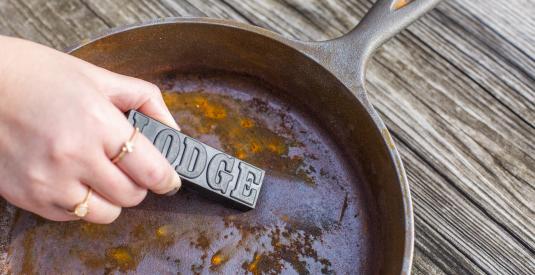
Eco-Friendly Rust Removal Options
Most Sustainable Methods:
- Baking soda paste (100% biodegradable)
- Salt scrub (natural, no chemicals)
- Vinegar method (food-safe acid, biodegradable)
Less Eco-Friendly:
- Steel wool (metal waste, though recyclable)
- Chemical rust removers (toxic ingredients)
- Electrolysis (high energy consumption)
Proper Disposal Guidelines
Used Vinegar Solution:
- Neutralize with baking soda before disposing
- Pour down drain with running water
- Safe for septic systems when neutralized
Steel Wool:
- Collect in container
- Recycle with scrap metal
- Many recycling centers accept
Oil-Soaked Paper Towels:
- Allow to dry completely (fire hazard when wet)
- Dispose in regular trash
- Never compost oily materials
Advanced Techniques: 2025 Innovations
Electrolysis Rust Removal
Time: 2-12 hours | Cost: $30-50 setup
This advanced method uses electrical current to remove rust without damaging iron.
Pros:
- Removes heavy rust effortlessly
- Minimal scrubbing required
- Preserves original iron surface
- Reusable setup
Cons:
- Requires battery charger and washing soda
- Takes longer than other methods
- Initial equipment investment
- Requires outdoor space
Best For: Vintage collectors, multiple pans, severe cast iron corrosion
Laser Rust Removal (Professional)
New in 2025: Some restoration services now offer laser rust removal.
Benefits:
- No chemical exposure
- Extremely precise
- Preserves markings and details
- Fast (minutes vs. hours)
Drawbacks:
- Very expensive ($100-200 per pan)
- Limited availability
- Only for valuable vintage pieces
Ultrasonic Cleaning
Professional restorers use ultrasonic cleaners for stubborn rust on cast iron.
Process:
- Pan submerged in cleaning solution
- Ultrasonic waves create microscopic bubbles
- Bubbles gently lift rust and debris
Cost: $50-150 professional service
Expert Tips for Perfect Re-Seasoning
Oil Selection Guide for Best Results
| Oil Type | Smoke Point | Polymerization | Cost | Best For |
|---|---|---|---|---|
| Flaxseed | 225°F | Excellent | $$$ | Show pieces |
| Vegetable Oil | 400°F | Good | $ | Daily use |
| Grapeseed | 420°F | Very Good | $$ | High heat |
| Avocado | 520°F | Good | $$$ | Premium finish |
| Canola | 400°F | Good | $ | Budget choice |
The “Three Layer” Method
For superior protective layer development:
Layer 1: Foundation
- Temperature: 450°F
- Time: 1 hour
- Light oil coating
Layer 2: Building
- Temperature: 475°F
- Time: 1 hour
- Very light oil
Layer 3: Finishing
- Temperature: 500°F
- Time: 1.5 hours
- Ultra-thin application
This creates a durable non-stick surface that resists rust formation.
Cast Iron Rust FAQ: Your Questions Answered
Q1: Can I cook on a rusty cast iron skillet?
Answer: No, you shouldn’t cook on rusty cast iron. While small amounts of iron oxide aren’t necessarily toxic, rust creates an uneven surface that prevents proper seasoning and can affect food taste. Additionally, rusty surfaces harbor bacteria. Always complete rust removal before cooking.
Q2: How long does it take rust to form on cast iron?
Answer: Light surface rust can appear in as little as 24-48 hours if your cast iron is exposed to moisture without proper seasoning. In humid environments, oxidation begins within hours. However, well-seasoned cast iron with proper oil coating can resist rust for months or years.
Q3: Will vinegar damage my cast iron permanently?
Answer: The vinegar method is safe when used correctly (under 8 hours). Extended soaking (12+ hours) can etch the iron, creating permanent pitting. Always monitor your vinegar bath method closely and remove the pan as soon as rust lifts easily. Neutralize with warm water and soap immediately after.
Q4: Is it normal for my re-seasoned pan to look blotchy?
Answer: Yes, initially your re-seasoned cast iron may appear uneven with lighter and darker patches. This is normal! Continue cooking with oils and fats, and the seasoning will gradually even out over 10-15 uses. The carbonized oil layers build naturally through use, creating uniform cast iron patina.
Q5: Can I use salt on heavily rusted cast iron?
Answer: Salt works best for light surface rust. For heavy rust removal, you’ll need more aggressive methods like steel wool or the vinegar method. Using salt on extensive rust is ineffective and wastes time. Match your rust removal method to the severity of oxidation.
Q6: Why does my cast iron keep rusting in the same spot?
Answer: Localized recurring rust indicates:
- Thin seasoning in that specific area
- Preferential moisture collection (low spot in pan)
- Inadequate oil coating during maintenance
- Physical damage to the iron surface
Solution: Focus extra attention during re-seasoning on problem areas. Apply additional oil coating to these spots after each use. Consider filing down high spots that cause water pooling.
Q7: How often should I season my cast iron to prevent rust?
Answer: Properly seasoned cast iron doesn’t require frequent oven seasoning. Instead:
- Apply thin oil coating after each use
- Complete oven seasoning method 2-3 times yearly
- Immediately re-season after rust removal
- Touch up when pan looks dull or flaking seasoning appears
Regular cooking naturally maintains seasoning, making frequent oven seasoning unnecessary.
Q8: Can I remove rust from cast iron without stripping all the seasoning?
Answer: Yes! For light surface rust, gentle methods preserve most seasoning cast iron:
- Salt scrub removes rust while maintaining surrounding seasoning
- Light steel wool scrubbing targets only rusted areas
- Baking soda paste lifts surface rust without stripping everything
Only heavy rust removal with vinegar method requires complete stripping and re-seasoning process.
Seasonal Rust Prevention Strategies
Winter Care (High Risk Season)
Winter creates challenging moisture prevention conditions:
Indoor Heating Issues:
- Temperature fluctuations cause condensation
- Humidity from cooking without proper ventilation
- Storage near heat sources accelerates oxidation
Winter Prevention Plan:
- Use dehumidifier in kitchen
- Apply slightly heavier oil coating
- Check pans weekly for surface rust
- Store away from heating vents
- Maintain consistent kitchen temperature
Summer Care
High humidity months demand vigilance:
Summer Challenges:
- Natural humidity promotes rust
- Outdoor cooking exposure
- Temperature swings from AC
Summer Protection:
- Run AC or dehumidifier consistently
- Dry pans extra thoroughly
- Apply protective layer after every use
- Store with silica gel packets
- Avoid outdoor storage
Climate-Specific Recommendations
Dry Climates (Southwest US):
- Lower rust risk overall
- Focus on maintaining oil coating
- Check for dryness cracks in seasoning
Humid Climates (Southeast, Coastal):
- Highest rust risk
- Daily oil coating essential
- Consider climate-controlled storage
- Use rust eraser for quick touch-ups
Northern Climates:
- Winter condensation is primary concern
- Basement storage especially problematic
- Check pans weekly during heating season
Building Your Cast Iron Collection: Rust Considerations
Best Starter Pieces (Rust-Resistant)
10-12 inch Skillet: Most versatile size, easiest to maintain seasoning
8-inch Skillet: Perfect for eggs, less surface area means less rust risk
Dutch Oven (Enameled): Interior enamel prevents rust, exterior still needs care
Pieces That Require Extra Attention
Griddles: Large flat surfaces challenge even oil coating
Waffle Irons: Crevices trap moisture, high rust risk
Vintage Pieces: Thin vintage cast iron more susceptible to rust
Your 30-Day Cast Iron Revival Plan
Week 1: Assessment & Initial Restoration
- Day 1-2: Assess rust severity, gather materials
- Day 3-4: Complete rust removal using appropriate method
- Day 5-7: First round of oven seasoning method (3 layers)
Week 2: Building Foundation
- Cook fatty foods daily (bacon, sausage)
- Apply oil coating after each use
- Monitor for surface rust reappearance
Week 3: Establishing Routine
- Vary cooking methods (searing, sautéing, baking)
- Practice stovetop seasoning touch-ups
- Evaluate non-stick surface development
Week 4: Long-Term Maintenance
- Finalize your cleaning routine
- Set up proper storage system
- Schedule quarterly oven seasoning
Conclusion: Your Rust-Free Cast Iron Future
Rust removal from your cast iron skillet isn’t just possible—it’s straightforward when you follow the right process. Whether you’re dealing with light surface rust or tackling heavy rust removal, the methods outlined in this guide will restore rusty cast iron to better-than-new condition.
Remember these key principles:
For Rust Removal:
- Match method severity to rust level
- Always dry completely
- Re-season immediately after cleaning
For Prevention:
- Apply oil coating after every use
- Heat-dry to eliminate hidden moisture
- Store in dry locations
- Cook frequently
For Maintenance:
- Build seasoning through regular use
- Address surface rust immediately
- Inspect weekly
- Enjoy cooking!
Your cast iron cookware can last multiple lifetimes with proper care. That rusty cast iron skillet you almost threw away? It’s about to become your favorite cooking tool again. The protective layer you build through proper seasoning cast iron creates an incredible non-stick surface that improves with age.
Start your cast iron rust removal journey today. In just a few hours of work, you’ll have beautifully restored cookware ready to create decades of memorable meals. Oxidation might be inevitable, but with these techniques, you’ll always know exactly how to remove rust from cast iron and prevent cast iron from rusting in the future.
The iron itself is virtually indestructible—that rust is just a temporary setback. Now you have the knowledge, tools, and confidence to clean rusty skillet surfaces and maintain pristine seasoned cast iron for generations to come.
Happy cooking with your newly restored, rust-free cast iron!

I’m Watson, a faith-inspired writer passionate about sharing heartfelt blessings and uplifting words that bring peace, gratitude, and hope. Through my daily blessings, I aim to comfort the soul and inspire spiritual growth.