
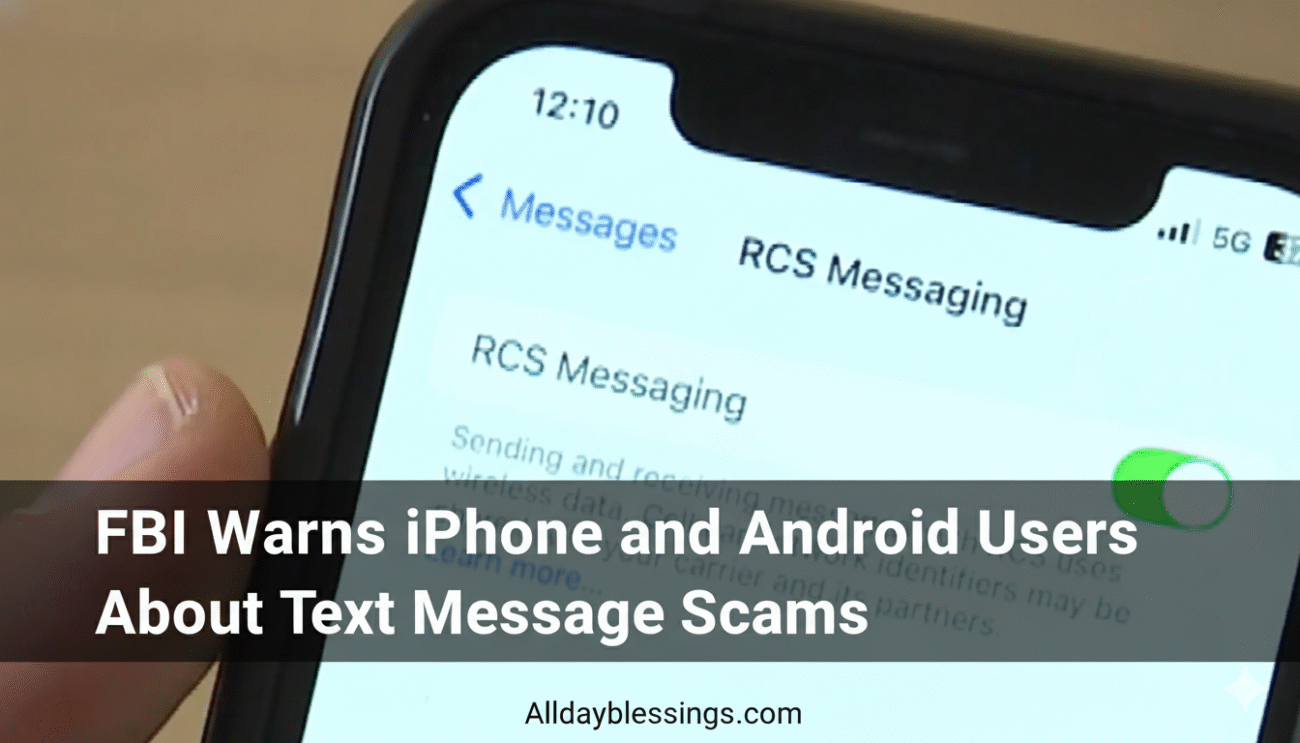
FBI Warns iPhone and Android Users About Text Message Scams: 10 Key Facts You Need to Know. In today’s digital world, text messages have become a primary way to communicate, whether through iPhone SMS alerts, Android messaging apps, or even third-party platforms like iMessage.
However, this convenience has attracted cybercriminals who exploit mobile phone messaging to target unsuspecting users. Recently, the FBI issued a serious warning about an increase in FBI scam text message campaigns affecting both iPhone and Android users across the United States.
The FBI cybercrime warning sheds light on a rising threat involving SMS phishing FBI schemes and other fraudulent texts. These scams not only jeopardize personal data but can lead to significant financial and identity loss. Understanding the nature of these scams and how to protect yourself is critical.
In this article, we will cover the 10 key facts every iPhone and Android user needs to know about the FBI’s text message warning, highlighting exactly what these scams look like, how they work, and most importantly, how to stay safe.
Whether you rely on Android messaging security features or are vigilant about your iPhone SMS alerts, this guide aims to bridge critical gaps found in typical online coverage—offering thorough, easy-to-understand information to empower mobile users.
Table of Contents
What Is the FBI Warning About?
The FBI warning addresses a surge in deceptive text message scams targeting mobile device users. These scams commonly masquerade as official communications—from banks, delivery services, government agencies, or even the FBI itself—to trick users into clicking malicious links or sharing sensitive information.
These scams have heightened even further due to increased reliance on mobile communication during remote work and social distancing trends. Cybercriminals are refining their tactics, using convincing language, spoofed phone numbers, and technical methods to bypass basic protections in both iPhone and Android systems.
Unlike traditional email phishing scams, mobile phone phishing alerts arrive directly to your SMS inbox, making them feel more immediate and personal. The FBI’s advisory is not just a reminder but an alert to a growing cybercrime method exploiting vulnerabilities in device ecosystems and user behavior.
10 Key Facts About the FBI Warns IPhone Android Text Messages
Fact 1: The Types of Messages to Watch For
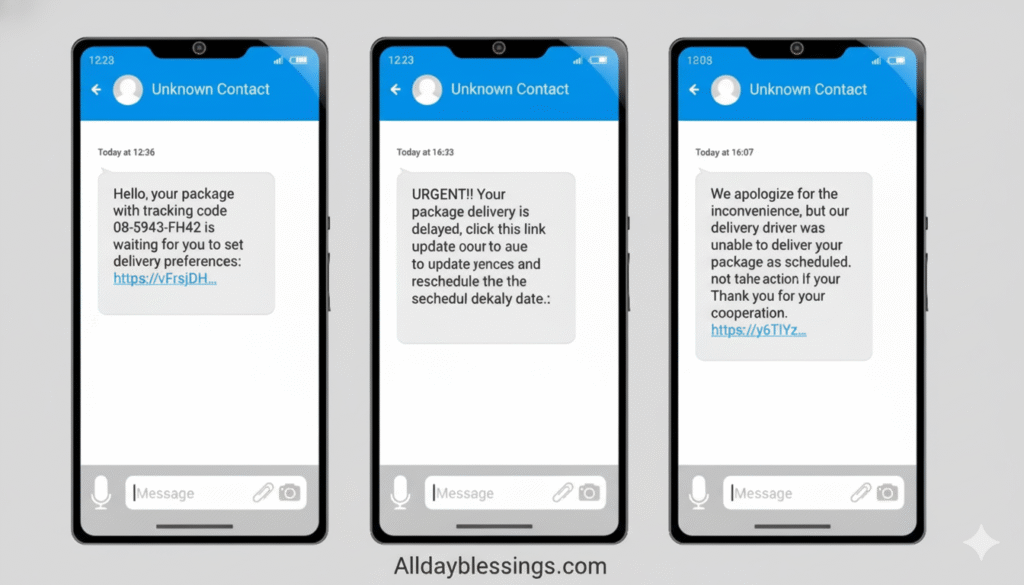
The most common FBI scam text message types often include:
- Fake delivery alerts claiming a package is on hold or needs payment.
- Messages stating there’s an urgent problem with your bank account.
- Texts impersonating government agencies, demanding data or payments.
- Phony warnings about suspicious account activity requiring a click.
- Offers for fake prizes, lotteries, or COVID-19 government relief scams.
The scammers use various formats but always push urgency to provoke a quick, unthinking response. Recognizing these typical message types is your first line of defense.
Fact 2: How the Scam Works
The scam generally unfolds in three stages:
- The text message arrives, often from a spoofed or masked phone number to appear legitimate.
- The message contains a link or request—either to enter personal information, confirm passwords, or download an app.
- Clicking these links may deploy malware, steal credentials, or redirect to fake websites.
The technique, known as SMS phishing or smishing, blends social engineering with malware attacks. It exploits the trust users place in mobile messaging.
Fact 3: iPhone and Android Devices Both Are at Risk
While iPhone SMS alerts benefit from Apple’s closed ecosystem and some built-in detection, no device is completely immune:
- Android messaging security varies greatly by manufacturer and app usage, often making Android users more vulnerable if security patches are not applied.
- Both platforms lack a unified, foolproof filter against mobile phone phishing alerts delivered via SMS.
Hackers design scams to circumvent both iMessage protections and standard SMS filters, making vigilance necessary.
Fact 4: Common Signs of Scam Texts
Key indicators you might be receiving an FBI scam text message include:
- Unexpected or unsolicited messages requesting urgent action.
- Poor grammar, spelling mistakes, or strange phrasing.
- Links to suspicious-looking URLs that don’t match official domains.
- Phone numbers not matching official government or business contacts.
- Threats or extreme urgency to provoke panic.
Always look out for these red flags before interacting.
Fact 5: The Potential Consequences of Falling Victim
Falling for an SMS scam can lead to:
| Consequence | Impact Description |
|---|---|
| Identity Theft | Personal information stolen and used for fraudulent accounts. |
| Financial Loss | Unauthorized charges or money transfers from bank accounts. |
| Device Malware Infection | Malware or spyware installed, compromising privacy and security. |
| Data Breach | Sensitive communications and files accessed or leaked. |
| Long-Term Credit Damage | Credit score affected due to unauthorized debts or loans. |
The losses can be both immediate and long-lasting, underscoring why prevention is crucial.
Fact 6: The Role of Malware and Spyware in These Scams
Some FBI text message warnings hide more than just phishing attempts—they distribute malicious apps or link to sites containing malware:
- Spyware can monitor your activity, steal contacts, or hijack messages.
- Trojans can give attackers remote access to your device.
- Some scams prompt users to download fake security software that itself is malware.
These infections make recovering control of your device challenging, highlighting the dangers of clicking unverified links.
Fact 7: Why These Scams Are Increasing Now
Several factors drive the rise in text message scams:
- Increased mobile communication during the pandemic and remote work.
- Advances in cybercriminal tools enabling mass SMS campaigns.
- Users’ growing reliance on mobile for banking and sensitive tasks.
- Exploitation of public fears around health crises, government support offers, and delivery services.
The FBI’s cybercrime warning aims to raise awareness during this critical escalation in threats.
Fact 8: How the FBI Tracks and Investigates These Scams
The FBI collaborates with telecom providers, cybersecurity firms, and law enforcement globally to:
- Monitor texting patterns and flag mass scam attempts.
- Trace fraudulent phone numbers and domains.
- Launch investigations to dismantle scam networks.
- Issue public advisories and guide technology companies on preventive measures.
Despite these efforts, the fluid and anonymous nature of SMS scams makes prevention the best defense.
Fact 9: The FBI’s Official Recommendations
In its FBI text message warning, the agency advises:
- Do not click on links or download attachments from unknown senders.
- Verify messages by contacting companies or agencies directly via official channels.
- Enable security features on your phone (e.g., two-factor authentication).
- Report scam messages to the FBI Internet Crime Complaint Center (IC3).
- Alert your mobile carrier so they can take action on fraudulent numbers.
These steps are vital to minimizing risk and helping authorities track cybercriminal activity.
Fact 10: Resources for Victims and Where to Report Suspicious Messages
If you encounter suspicious texts, report them to:
| Organization | Contact/Website | Purpose |
|---|---|---|
| FBI Internet Crime Complaint Center (IC3) | https://www.ic3.gov | File cybercrime complaints |
| Your Mobile Carrier | Carrier’s scam reporting number or app | Block scam numbers, investigate messages |
| Federal Trade Commission (FTC) | https://reportfraud.ftc.gov | Report identity theft and fraud |
| Consumer Financial Protection Bureau (CFPB) | https://consumerfinance.gov/complaint | Report financial scams |
Taking prompt action can help protect others and potentially recover losses.
How to Protect Yourself from SMS-Related Scams
Protecting your mobile device and data starts by following several best practices:
- Verify all unexpected messages before acting, especially those requesting personal info or urging urgent action.
- Avoid clicking unknown links or downloading apps from SMS sources.
- Use security software and keep operating systems up to date on both Android and iPhone.
- Enable two-factor authentication (2FA) on your accounts for an additional security layer.
- Use built-in spam filters and block suspicious contacts on your device.
- Regularly review your bank and credit card statements for unauthorized activity.
- Educate yourself on common scam tactics—staying informed is key.
What to Do If You Receive a Suspicious Text Message
If you suspect you have received an FBI scam text message or a similar phishing alert:
- Do not respond or click any link sent in the message.
- Take a screenshot of the message for your records.
- Report the message to your mobile carrier and the FBI’s IC3.
- If you accidentally clicked a link or shared details, immediately:
- Change passwords on affected accounts.
- Contact your bank or credit card providers.
- Run a full security scan on your device.
- Monitor your accounts and device for unusual activity.
Acting quickly can help reduce damage and assist authorities.
Frequently Asked Questions About FBI Warns IPhone Android Text Messages
Q1: Can I recover money lost to a text message scam?
It depends on the situation and your financial institutions’ policies. Reporting quickly and notifying banks can sometimes halt fraudulent transactions.
Q2: How can I block scam text messages?
Use your phone’s built-in blocking features and report spam numbers to your carrier. Apps like Truecaller also help filter spam.
Q3: Are there apps that detect or filter scam texts?
Yes. Several trustworthy apps provide spam filtering and phishing detection for Android and iPhone.
Q4: How does the FBI notify the public about these warnings?
The FBI uses press releases, social media updates, and partnerships with consumer protection agencies to issue alerts.
Conclusion
The FBI’s warning about text message scams poses a real and growing threat to millions of iPhone and Android users. These mobile phone phishing alerts are becoming more sophisticated, making awareness and caution essential. By understanding the types of scam messages, how they operate, and following official FBI recommendations, you can safeguard your device, protect your personal information, and avoid falling victim to costly fraud.
Stay alert, question unexpected text messages, and report suspicious activity promptly. Sharing this knowledge with friends and family can make a difference in curbing the impact of these scams.
Stay secure and keep texting safe.

I’m Watson, a faith-inspired writer passionate about sharing heartfelt blessings and uplifting words that bring peace, gratitude, and hope. Through my daily blessings, I aim to comfort the soul and inspire spiritual growth.